The Smart Cafeteria: How Data is Personalising Corporate Dining
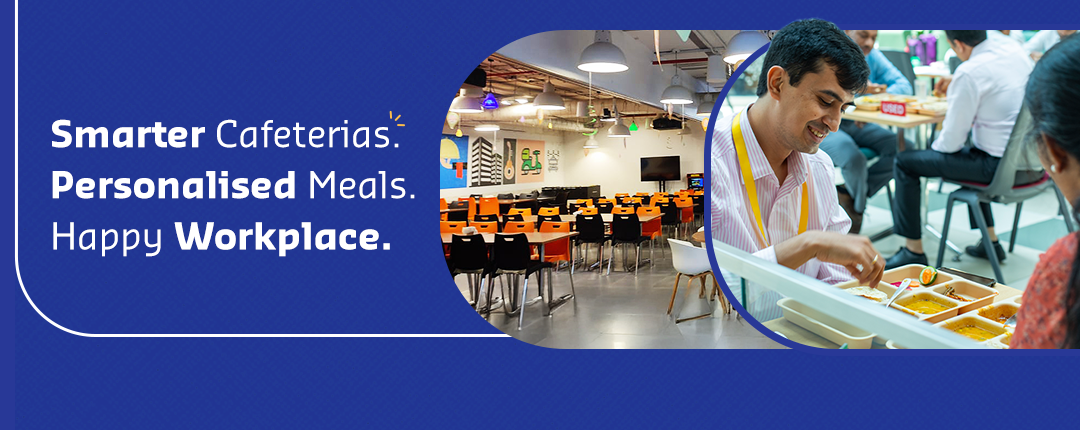
Corporate dining is entering a new era. Once a functional necessity, cafeterias are now strategic spaces that reflect organisational priorities around employee wellbeing, sustainability, and digital transformation. At the centre of this shift are smart cafeteria solutions that personalise meals, streamline operations, reduce waste, and embed food safety into every stage of service.
Sodexo is leading this transformation. By embedding IoT and AI into its cafeteria ecosystems, Sodexo is using data analytics to create hyper-personalised, efficient, and waste-reducing dining solutions. From occupancy measurement and hygiene monitoring to predictive waste management dashboards, Sodexo’s approach demonstrates how technology can elevate corporate catering into a dynamic, employee-centric experience.
Tech at the Table: Why Smart Cafeterias Matter
Lunch at work isn’t what it used to be. Employees today expect the same personalisation from their cafeteria that they get from Spotify playlists or Netflix recommendations. At the same time, organisations see dining as a lever to boost productivity, morale, and culture. This convergence of expectations is reshaping corporate catering into a dynamic, data-driven experience.
IoT-enabled systems are already being deployed across Sodexo-managed cafeterias:
- Occupancy measurement helps employees plan visits during off-peak hours.
- Hygiene monitoring detects spillages, odours, lighting failures, and equipment malfunctions. Alerts are sent to Sodexo teams for immediate resolution, either manually or via robotics. Visitors can also report issues directly through QR code touchpoints.
- Meal counting is being explored with industry partners, using tap-based systems or sensors to track plate pickup and queue movement, particularly useful in large manufacturing hubs.
- Health and safety compliance is supported by monitoring use of protective gear, equipment functionality, and unobstructed pathways, ensuring adherence to HSE standards.
For employees, this means shorter queues, fresher meals, and confidence in hygiene. For organisations, it means smarter cafeteria management aligned with efficiency and accountability.
From Static to Dynamic Dining
The era of fixed, predictable cafeteria menus is fading. In its place is a dynamic, data-driven approach where predictive analytics anticipate demand and adjust portion sizes, cutting down on waste while ensuring every employee is served. Digital tools make the dining journey seamless. Mobile apps allow pre-ordering, cashless payments, and instant feedback, while notifications alert employees when meals are ready, reducing queues and easing congestion during peak hours.
Behind the scenes, usage data informs menu design, creating options that mirror employee tastes more accurately. Real-time feedback loops feed this data back into operations, creating a cycle of continuous improvement. Together, these innovations shift catering from a background service into a driver of wellness, compliance, and engagement, turning everyday dining into a smarter, more responsive part of workplace culture.
Sodexo’s Smart Cafeteria Solutions
Taking the next step in this transformation, Sodexo is piloting advanced applications that deepen impact across safety, efficiency, and employee engagement:
- Rapid food safety testing is being developed in partnership with an NABL-accredited laboratory. Using test kits for random food sampling, results can be obtained within 30 minutes. This solution is currently under evaluation before a wider rollout.
- AI-powered IoT solutions are being tested to ensure consistency in portion size, weight, and freshness. These initiatives aim to standardise quality across sites while reducing variability and ensuring every plate meets defined standards.
- In-house AI waste management solution is in the pilot stage. By analysing historical consumption and wastage patterns through dashboards, predictive models determine portion sizes and meal counts, helping prevent overproduction and conserve resources.
Digital platforms like SoEze and SoCampus help integrate seamlessly with client systems, enabling paperless transactions, meal tracking, and facilities management. Feedback is captured through multiple channels via QR codes, tablets, and robotics, ensuring that employee voices shape the dining experience.
By combining smart cafeteria solutions with a strong data analytics backbone, Sodexo is helping organisations deliver dining that is efficient, safe, and tailored to employee preferences.
Conclusion
The smart cafeteria is more than a technological upgrade; it is a cultural shift in how organisations view food, sustainability, and employee engagement. As companies invest in office catering and corporate cafeteria management, Sodexo’s leadership shows how catering services can evolve from transactional to transformational by reducing waste, enhancing wellbeing, and personalising every plate.
If your organisation is ready to reimagine dining as a driver of culture, partner with Sodexo to implement smart cafeteria solutions. Together, every meal can become an experience powered by data, technology, and impact.