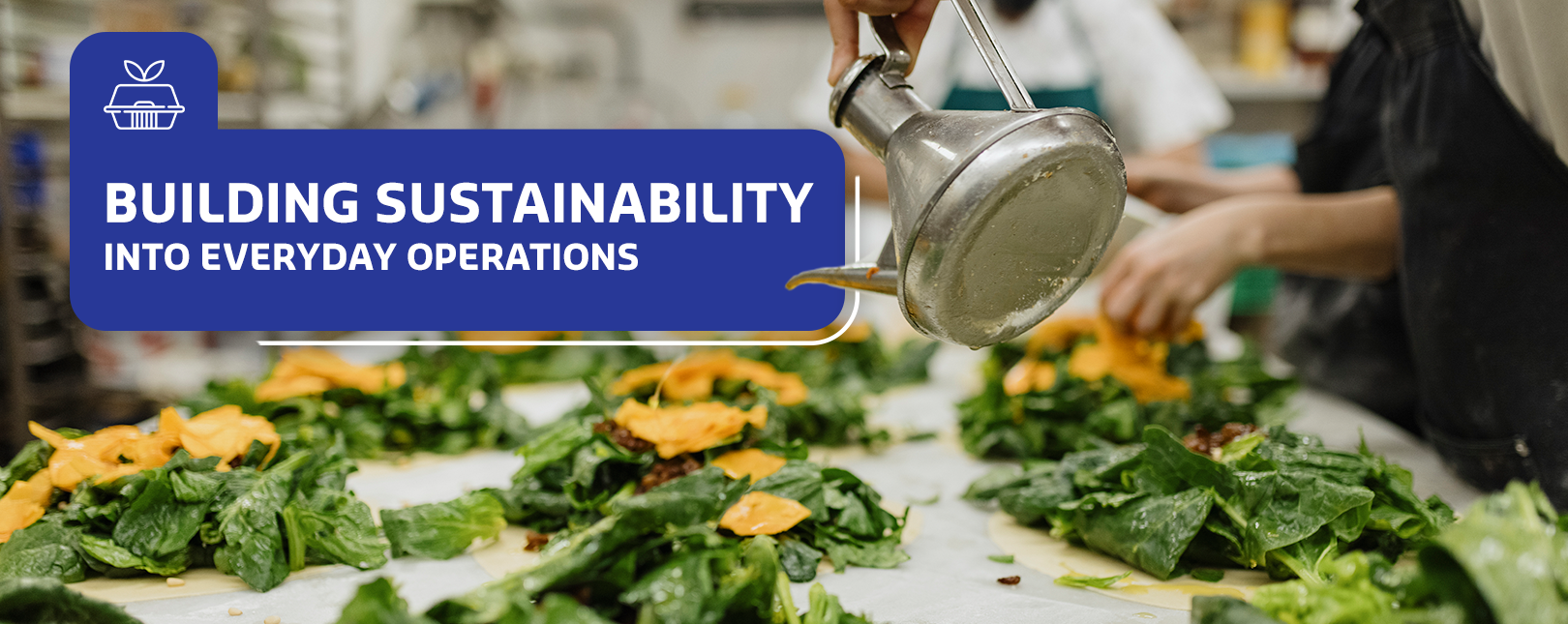
The Green Mandate: Achieving ESG Goals with Sustainable Facilities Management
India is building at an extraordinary scale. New offices, expanding campuses, and growing commercial footprints across every major city are signs of remarkable economic momentum. This also means that the choices organisations make about how they run and manage these spaces carry more environmental and strategic weight than ever before.
Industry reports project that the Indian facilities management market will grow by almost 54% by 2031, surging from USD 80.73 billion in 2025 to USD 123.98 billion by 2031—underscoring the scale of opportunity. At the same time, the International Energy Agency notes that commercial buildings account for nearly 40% of global energy consumption.
For organisations with serious ESG commitments, this is a defining moment. And sustainable facilities management sits at the heart of it.
Where ESG Ambition Meets Everyday Operations
In a rapidly expanding market like India, the way buildings are operated day to day—their energy use, water consumption, waste output, and procurement decisions—represents one of the greatest opportunities for organisations to make meaningful progress on sustainability.
The organisations making the most progress toward their ESG targets are those that have recognised this connection. They are treating their facilities not as a background operational function, but as an active contributor to their sustainability goals. This is the essence of ESG in facilities management.
The Compounding Value of Sustainable Facilities Management
What makes sustainable facilities management particularly powerful is its ability to create ongoing impact rather than one-time results.
Intelligent energy monitoring drives measurable reductions in carbon emissions while lowering operating costs. Structured waste management programmes deliver improvements that are both trackable and reportable. Sustainable procurement practices strengthen supply chain responsibility without disrupting business operations. Water conservation strategies further reinforce environmental commitments in a market where resource stewardship is becoming increasingly important.
Together, these interventions build an ESG contribution that grows stronger over time and translates directly into the kind of credible, evidence-based disclosures that investors, clients, and regulators expect.
How Sodexo Helps Organisations Get There
Sodexo partners with organisations across India to make sustainable facilities management a practical and measurable reality. Our approach is designed around each client's specific ESG framework, whether GRI, BRSR, or internal sustainability commitments.
We bring energy management, waste reduction, sustainable procurement, water conservation, and workplace sustainability solutions together into one integrated programme. Every element is tracked and reported in ways that contribute directly to our clients' sustainability outcomes.
Beyond the numbers, we help organisations create workplaces that reflect their values—spaces that demonstrate to employees, clients, and partners that sustainability is not just a stated commitment, but a lived one.
Building the Future, Responsibly
India's growth story is one of the most exciting in the world. The organisations shaping that story have an opportunity to ensure that what they build, and how they operate it, reflects the kind of future they want to be part of.
Sustainable facilities management is where that ambition becomes action. It is measurable, impactful, and entirely within reach.
Discover how Sodexo's integrated facilities management approach can help your organisation achieve its ESG targets. Connect with us to begin the conversation.